
The Port Authority of Seville (APS), in collaboration with the Andalusian Health Service (SAS), is participating in drone demonstration flights led by Bluenest by Globalvia and Enaire to test the application of drones in logistics, specifically in medical air logistics under the European U-Elcome project.
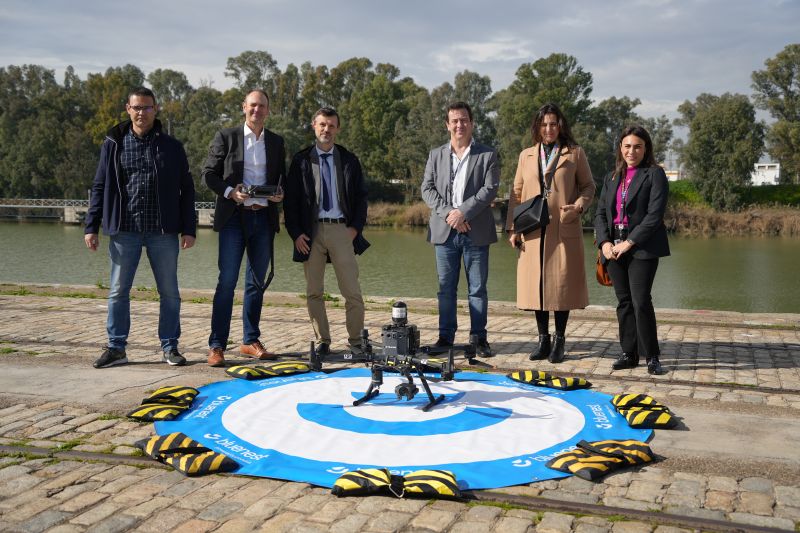
These tests have demonstrated how UAS (Unmanned Aerial Systems) operating in U-Space coordinated airspaces can enable the delivery of medical supplies in environments such as ports. The goal is to improve transport and delivery times, enhance accessibility to these areas, and contribute to sustainability by reducing CO₂ emissions from transportation. Additionally, in the healthcare sector, faster and more controlled deliveries improve patient care quality.
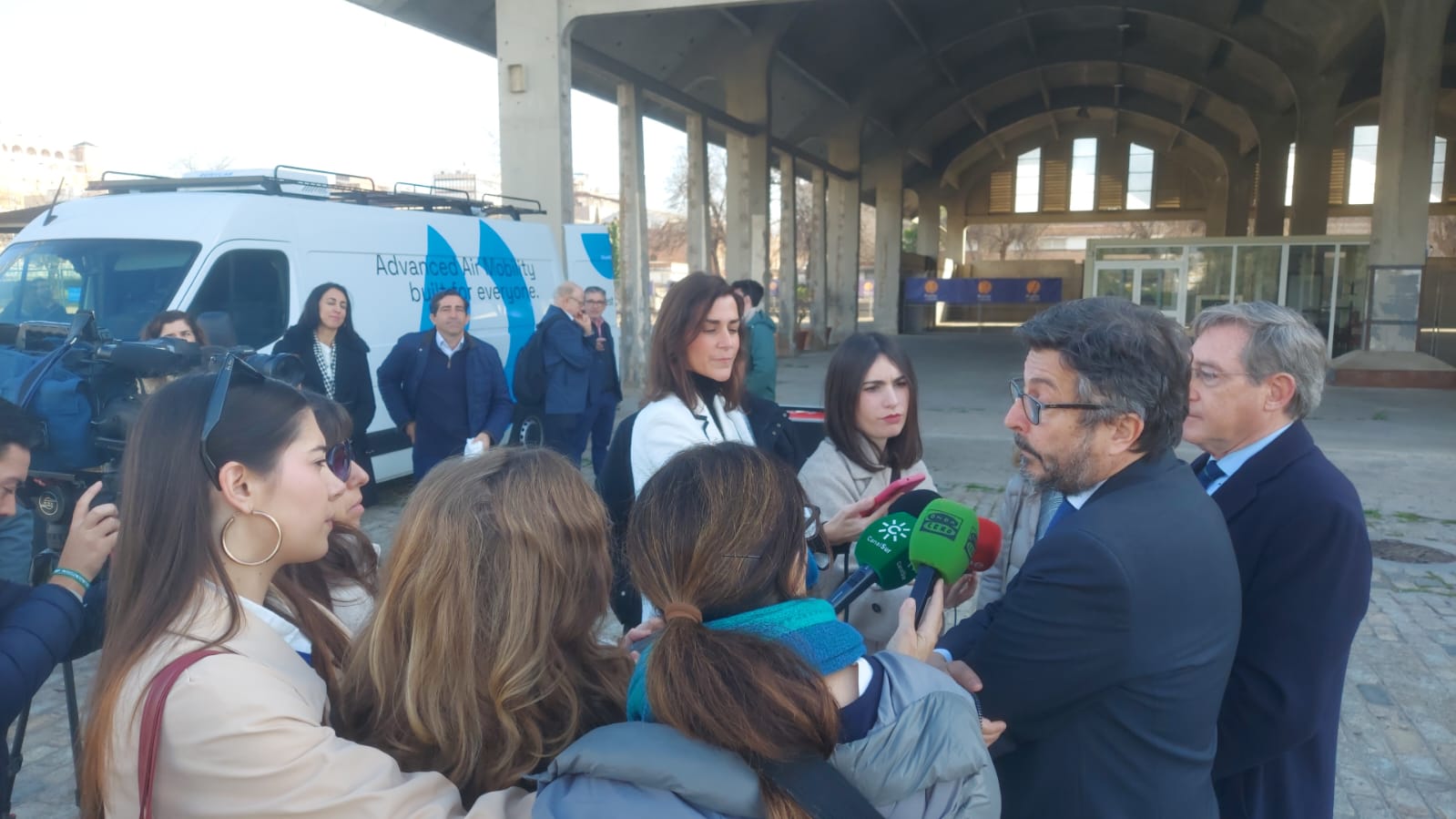
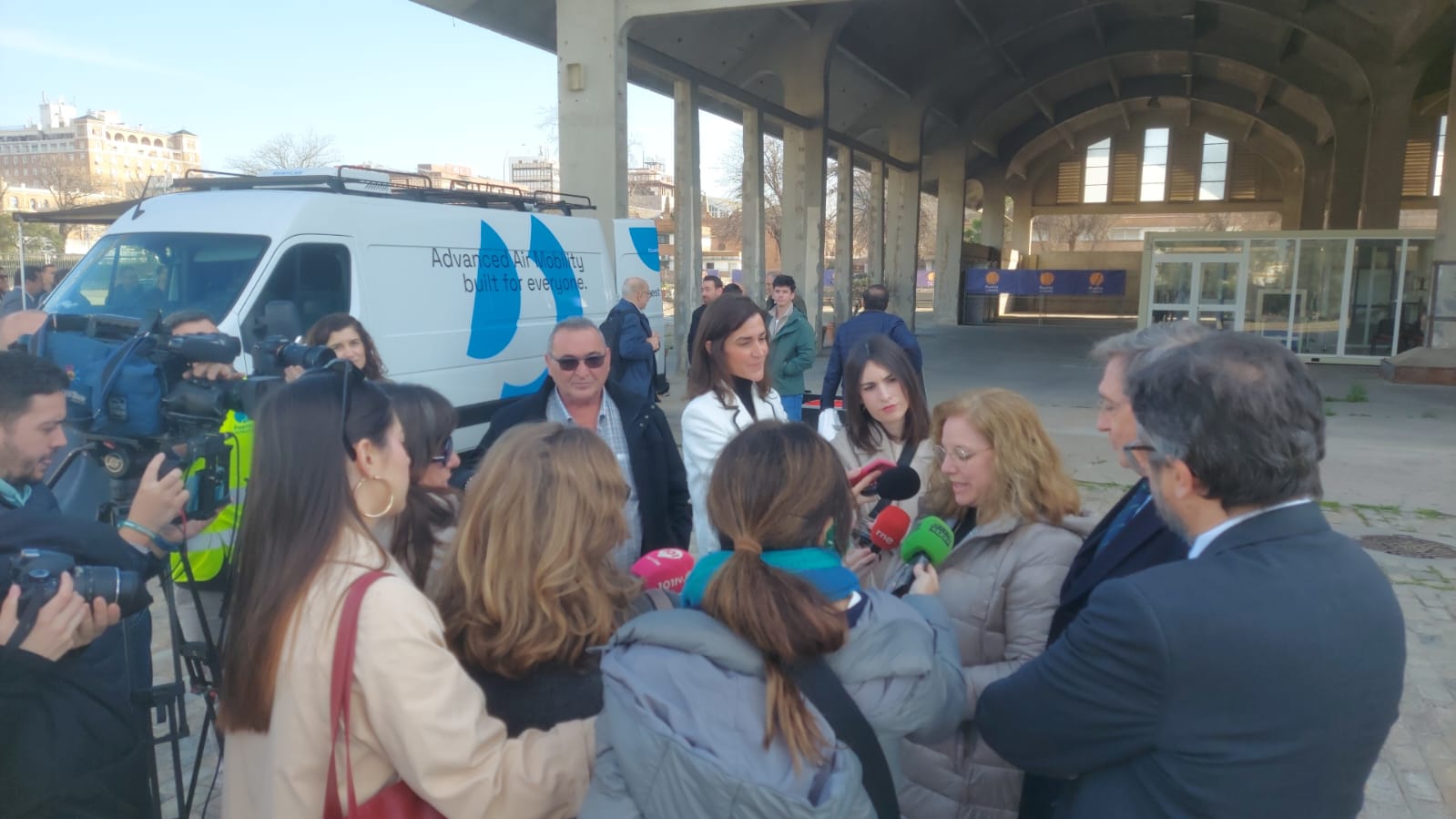
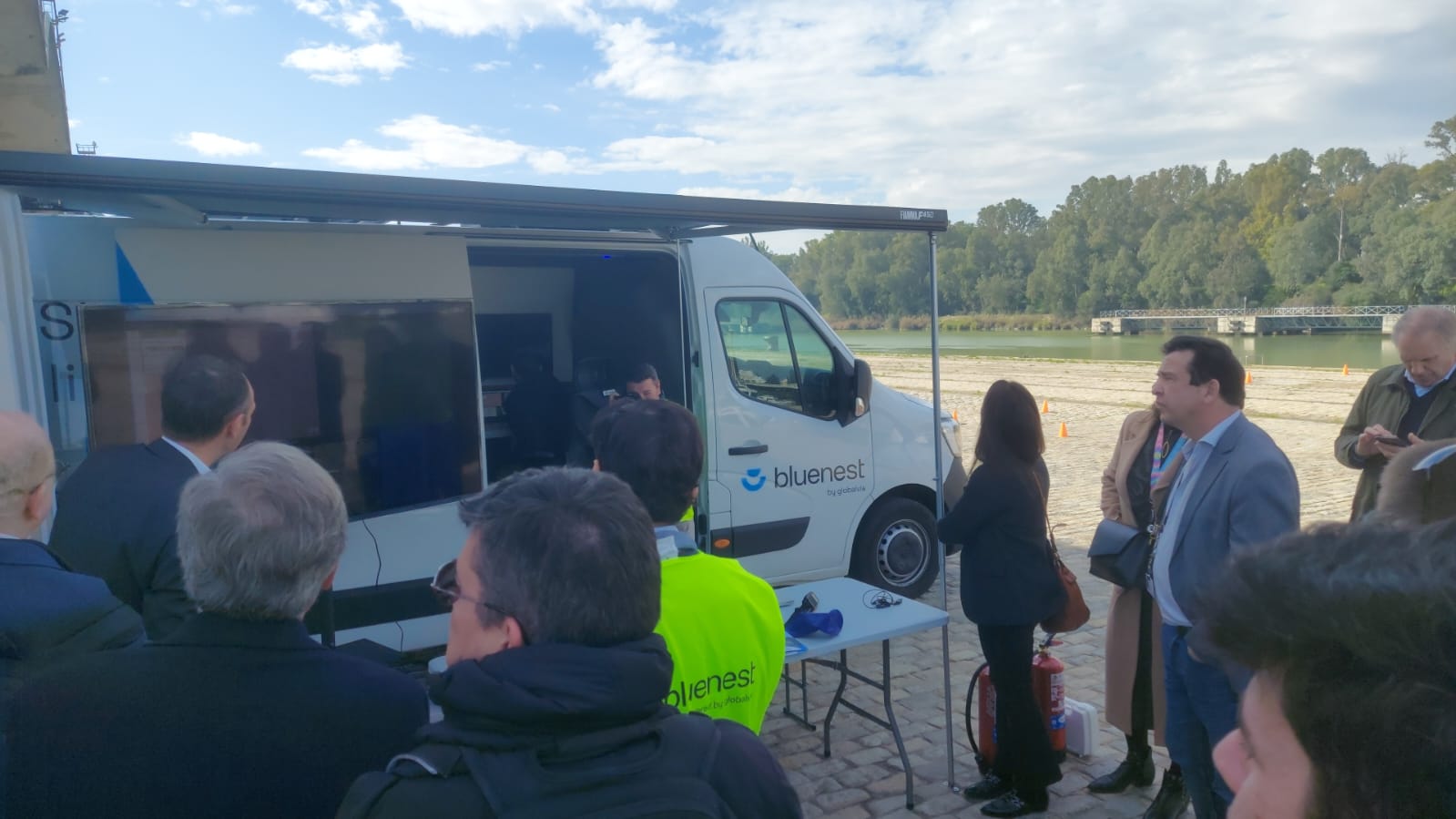

During the event, Rafael Carmona, president of the Port Authority of Seville, highlighted that drone technology is becoming increasingly relevant in ports:
“Drones are highly useful for surveillance, infrastructure monitoring, surface measurements—such as cargo storage areas at docks—and even environmental monitoring. These devices are flexible and can adapt to the specific needs of port operations.”
Similarly, Álvaro Rodríguez Dapena, president of Puertos del Estado, emphasized:
“The Strategic Framework for the Spanish state-owned port system includes a focus on improving port operation efficiency. Within this innovation strategy, drone technology not only allows for port operation monitoring but also optimizes logistics and enables the transport of goods to hard-to-reach locations. This is particularly useful for some ports, which is why Puertos del Estado supports the development of these technologies.”
Drone Demonstration Flights
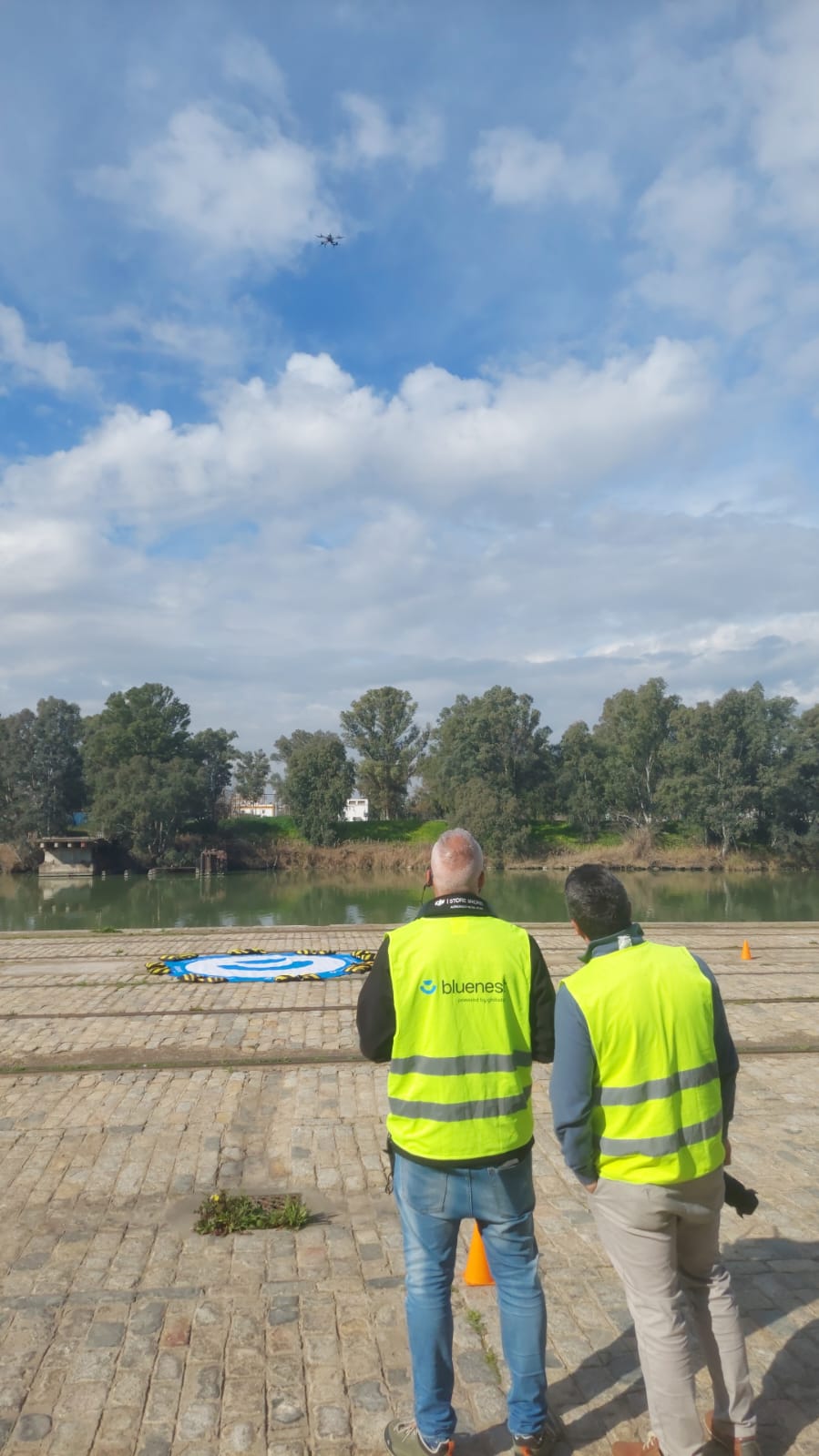
During the demonstration flights at the Muelle de Tablada, the Bluenest by Globalvia team successfully conducted multiple air-drop deliveries of medical supplies. The tests involved:
✅ A DJI Matrice 350 drone equipped with a parachute and safety system
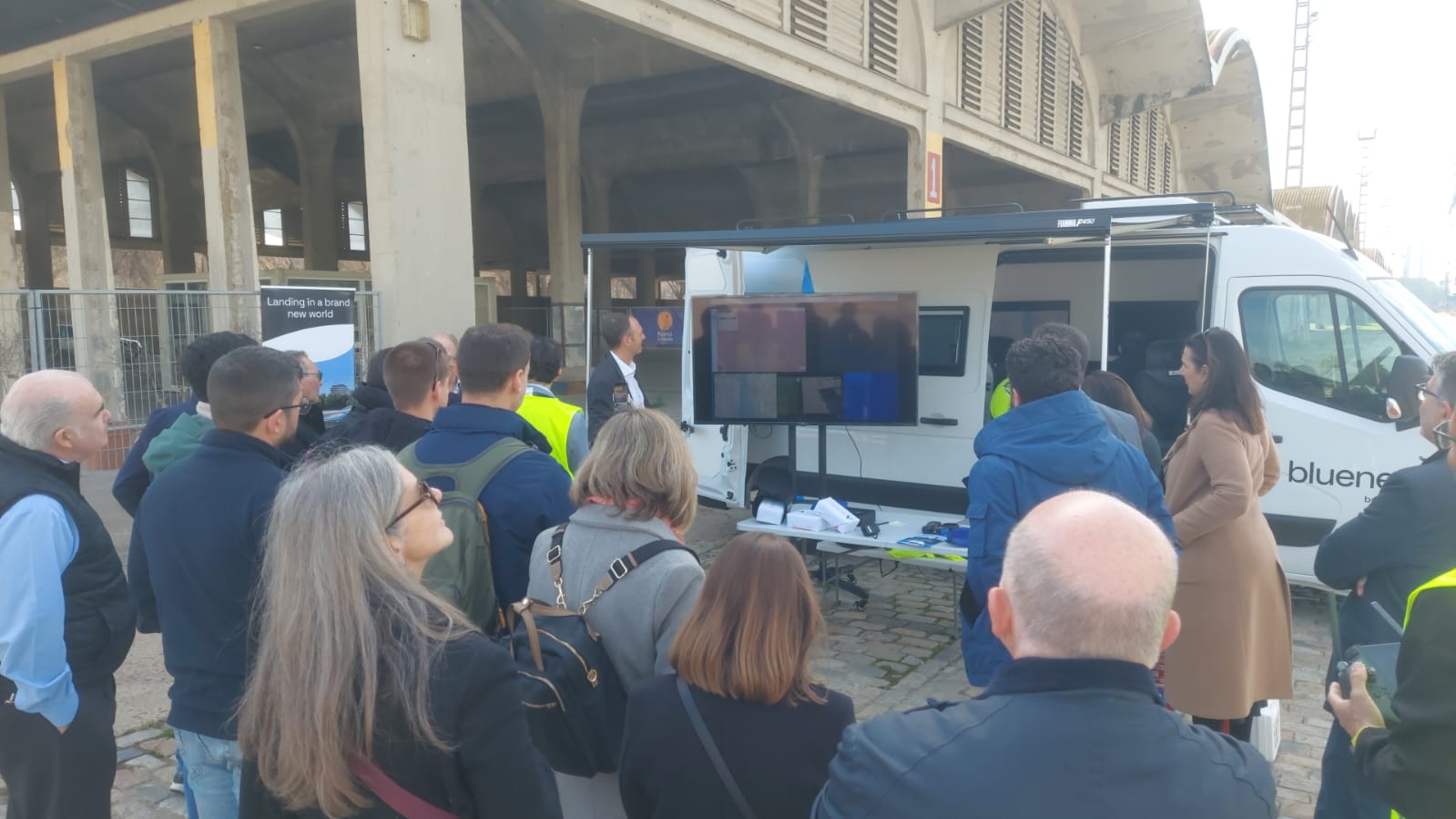
✅ A vertiport control center
✅ Tracking devices and digital infrastructure (U-Space services for planning, monitoring, and supervision)
✅ Advanced technological systems
The flights reached an altitude of 35 meters (115 feet) above ground level.
Collaboration and Project Scope
These demonstration flights were made possible through coordination with APS, SAS (which provided the transported medical supplies), AESA, San Pablo Airport (SVQ), and several nearby heliports. Additionally, Enaire and ITG were involved in the implementation and operation of U-Space, with Bluenest by Globalvia leading the project’s sandbox testing in Seville and Madrid. Other project partners in attendance included Ineco, Catec, the University of Seville, and Aertec.
About U-Elcome
The U-Elcome project, led by Eurocontrol, consists of three clusters: Spain, Italy, and France. Its objective is to implement the U-Space concept in a harmonized manner across Europe. Tasks managed through U-Space include:
🚀 Cargo and package delivery
🚑 Emergency assistance and rescue operations
🔍 Surveillance and infrastructure inspection
🏥 Medical supply transportation and first-aid operations
The project has a €14 million budget funded by the Connecting Europe Facility (CEF). The three-year initiative aims to deploy U-Space by October 2025, supporting its real-world implementation, future regulation, and standardization.
The U-Elcome project is funded by the European Climate, Infrastructure, and Environment Executive Agency (CINEA) under Grant Agreement No. 101079171.


